February might fly by, but it’s often one of the priciest months of the year. Between romantic Valentine’s Day gifts and big savings on cars during Presidents’ Day sales, many people make some of their most meaningful purchases right in the heart of winter. These items often carry both emotional and financial weight, which is why making sure they’re properly insured is a smart move.
It’s easy to get wrapped up in the excitement of surprising a partner with jewelry, scoring a deal on a vehicle, or finally bringing home a piece of artwork you’ve wanted for ages. But before you place it on your finger, hang it on the wall, or drive it off the lot, there’s an essential step you don’t want to skip: confirming that your insurance coverage is ready to protect your investment.
This article breaks down the most important coverage considerations for February purchases—from jewelry and fine art to brand-new cars—along with simple recordkeeping habits that can save you time and stress later.
Why Coverage Matters Before You Gift or Use an Item
When it comes to high-value purchases, postponing the insurance conversation can lead to trouble. Items can be damaged, misplaced, or stolen the same day you buy them—sometimes even before you’ve had the chance to enjoy or gift them. For certain valuables, the safest approach is to get coverage squared away before the item leaves your hands.
February’s holidays make this even more relevant. Engagement rings, collectible watches, Presidents’ Day vehicle deals, and newly purchased artwork each come with unique insurance needs. The goal is simple: ensure your policy matches both the value of the item and the risks that come with owning it. That way, you’re not caught off guard by unexpected coverage limitations when something goes wrong.
Jewelry, Artwork, and Collectibles: Why Standard Homeowners Insurance Isn’t Always Enough
Many people assume their homeowners policy will fully cover all valuables. Unfortunately, that’s not often the case. Most homeowners policies set strict limits—called sublimits—on categories like jewelry, artwork, and collectibles. For example, a policy might cover a jewelry claim only up to a few thousand dollars, even if the item is worth significantly more.
That’s where additional protection becomes essential. Valuable items often need special coverage to ensure they’re insured for their full worth. Adding a scheduled personal property endorsement (also known as a rider) allows you to insure items individually for their exact appraised value. These riders can also cover situations that standard policies exclude, such as accidental damage or unexplained loss.
Most insurers require a recent appraisal before scheduling an item, and those appraisals should be refreshed every few years to keep your coverage accurate. Some types of fine art may even need a dedicated art insurance policy that covers transit, restoration, and worldwide protection—important considerations if you move, loan items to exhibits, or travel with them.
Here are a few helpful reminders for protecting high-value Valentine’s Day gifts and other prized items:
- If you give or inherit jewelry, the insurance doesn’t transfer. The new owner must add it to their own policy.
- For especially valuable items, look into dedicated “valuable items” or “personal articles” policies offered by major carriers.
- Keep your receipts, appraisals, photos, and serial numbers. They’re essential both for securing coverage and for verifying a claim later.
A thoughtful or sentimental gift may be priceless emotionally, but its financial value can still be protected with the right insurance.
New Cars: Understanding Grace Periods and Important Next Steps
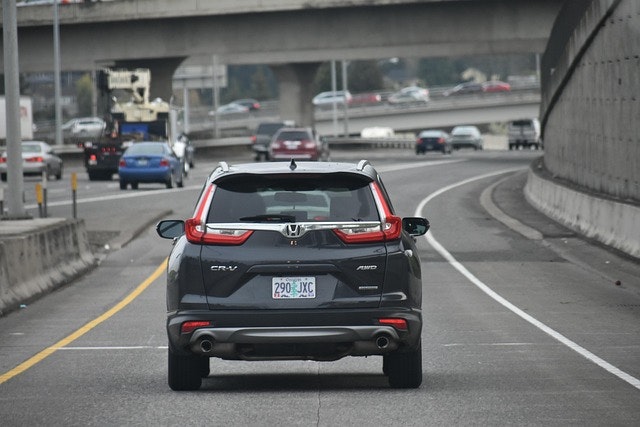
Presidents’ Day sales make February a popular time for buying a new car. Fortunately, most auto insurers offer a built-in grace period during which your new vehicle is automatically covered for up to seven days if you transfer a plate. During the grace period, the new vehicle usually adopts the same coverage as another car already on your policy.
There are a few important points to keep in mind:
- The grace period generally applies only if you already have an active auto policy with at least one vehicle insured. If you don’t currently carry auto insurance, you’ll need a new policy before driving your new car.
- If you have multiple cars, your new vehicle typically receives the highest level of coverage from the vehicles already insured—though only temporarily.
- Your temporary coverage mirrors your existing one. For instance, if your current vehicle only has liability coverage, your new car will also only have liability until you make updates.
Before the grace period ends, make sure your vehicle is registered and your insurer formally adds the new vehicle to your policy. If you’re financing or leasing the car, lenders generally require collision and comprehensive insurance, and many strongly recommend gap insurance. Gap coverage pays the difference between your loan balance and the vehicle’s actual cash value if it’s totaled—an important protection for newer cars.
Don’t forget the opposite side of the transaction: if you’re trading in or selling an old car, make sure it’s removed from your policy so you aren’t paying for coverage you no longer need.
Whenever you purchase a new vehicle, it’s wise to:
- Contact your insurer before leaving the dealership or as soon as possible afterward.
- Adjust coverage limits and deductibles based on your new vehicle’s value and your preferences.
- Update driver information, parking location, and usage details (such as commuting distance).
- Keep your bill of sale, registration handy.
Recordkeeping Tips for Smooth Claims and Strong Coverage
No matter what you’re buying—jewelry, artwork, collectibles, or a new vehicle—good documentation is one of the best tools you have. Keeping your records organized not only helps you obtain coverage but also makes filing a claim much simpler if you ever need to.
Here are some smart recordkeeping habits to adopt:
- Save digital copies of receipts, appraisals, photos, and VINs in secure cloud storage.
- Photograph new purchases from multiple angles to help with identification.
- Review your home and auto policies annually or after a major purchase to ensure your coverage matches what you own.
- Ask your agent whether adding valuables or vehicles might qualify you for bundling or multi-policy discounts.
If You Haven’t Updated Your Coverage Yet, Don’t Worry
If you bought something recently and never got around to updating your insurance, you’re not alone. Busy schedules and excitement over new purchases can make it easy to forget. The good news is that you can still take action now. An insurance professional can review what you’ve purchased, help determine what needs to be scheduled, and update your policies so they align with your current lifestyle.
Final Thoughts: Protect What Matters This February
Valentine’s Day and Presidents’ Day often come with meaningful purchases—sparkling jewelry, new vehicles, special artwork, and collectibles with personal significance. Taking a little time to ensure they’re properly insured protects both their emotional and financial value.
If you’re planning a big purchase this February—or if you’ve recently added something new to your life—I’m here to help make sure it’s covered the right way. A quick conversation can give you peace of mind, letting you enjoy your new car, artwork, or jewelry knowing you’ve taken the right steps to safeguard it.