Summer adventures come quickly, and it’s easy to jump from planning to packing without thinking about the financial risks that come with recreational vehicles. Boats, RVs, motorcycles, and ATVs offer plenty of fun, but they also require the right insurance to keep unexpected costs from interrupting the season. Many people assume their home or auto policies automatically protect these vehicles, but that’s rarely the case.
Taking a little time for a coverage review now can help ensure your warm‑weather plans stay focused on relaxation—not surprise expenses. Below is a fresh look at why separate insurance often matters and how different types of summer toys are typically insured.
Why Seasonal Vehicles Often Require Their Own Coverage
Recreational vehicles operate outside the normal routines of daily driving or home use. They face risks such as theft, accidents, weather exposure, and liability claims that standard home or auto policies may only partially address. When a loss isn’t covered, the cost of repairs, injuries, or legal issues can fall directly on you.
Standalone policies are built with these risks in mind. They consider how frequently the vehicle is used, where it’s kept, and the specific hazards that come with its design and purpose. Without the proper protection, owners may not only face financial setbacks but, in some cases, legal trouble as well.
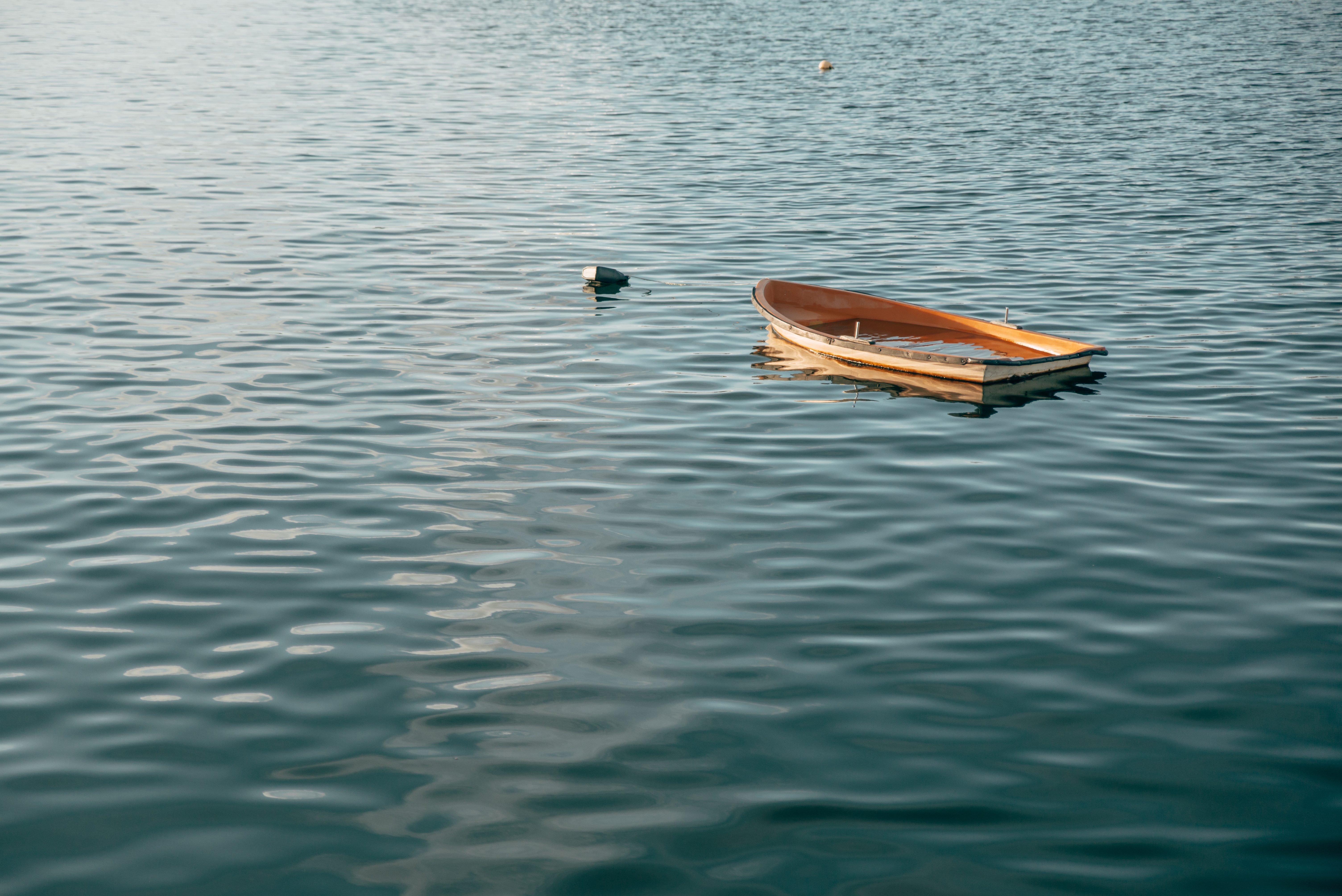
Boat Insurance: Protection for Every Part of the Journey
Boat insurance generally functions much like auto insurance, providing two key types of protection: coverage for the boat itself and liability coverage for harm caused to others. Together, these help safeguard both your property and your financial exposure while out on the water.
Physical damage protection can help cover repair or replacement costs if your vessel is harmed by storms, theft, vandalism, or collisions. Many policies also include medical payments coverage for injuries affecting you or your passengers during boating activities.
- Liability coverage supports you if you injure someone or damage another craft or dock.
- Uninsured or underinsured boater coverage can assist when another boater causes a loss but lacks adequate insurance.
- Optional protections—such as towing, emergency assistance, trailer coverage, and coverage for personal items or fishing gear—are available through many insurers.
When applying for boat insurance, carriers typically ask for details such as size, value, engine type, usage patterns, storage location, and your boating experience. It’s also important to understand what isn’t covered. Normal wear, gradual deterioration, and maintenance-related issues are usually excluded. Coverage may also differ depending on where and when the boat is operated, so reviewing restrictions before the season begins is essential.
RV Insurance: Tailored Protection for Life on the Move
Recreational vehicles require insurance that accounts for both mobility and living space. RV insurance covers accidents, theft, weather damage, and liability concerns whether you’re driving or parked at a campsite. Requirements vary based on whether the RV is motorized or towable.
Motorhomes generally need liability coverage under state law, similar to an auto. Comprehensive coverage can help with losses caused by theft, vandalism, fire, animal damage, or severe weather, while collision coverage helps with damage from hitting another vehicle or object. Lenders often require both if the RV is financed.
Travel trailers are a little different since they’re not motorized. Liability usually comes from the vehicle doing the towing, so trailer policies often focus on protecting the trailer itself. Some owners choose vacation liability coverage to extend protection while the trailer is parked or being used as living space.
- Medical payments coverage can help with treatment costs after an accident.
- Uninsured or underinsured motorist coverage may apply if you’re hit by a driver without adequate limits.
- Policies may include emergency expense coverage, personal property coverage, and even optional protection for pets.
Wear and tear, as well as some moisture-related damage like mold or rot, are generally excluded. Understanding these limitations can help prevent frustration if a claim arises.
Motorcycle Insurance: Essential Protection for Riders
Motorcycle coverage applies to a wide range of two‑wheeled vehicles, including scooters and mopeds. It protects you financially if your bike is damaged or stolen, and it provides liability coverage if you’re responsible for injuries or property damage. Because nearly every state requires motorcycle insurance, riding without it can lead to fines, license issues, legal claims, or even jail time.
Many riders carry the minimum required limits, but optional comprehensive and collision coverage offer important protection—especially if the motorcycle has significant value or is financed. Premiums are influenced by riding history, the bike’s style and engine size, age, location, and chosen coverage limits.
Even older bikes benefit from proper protection, as accidents and theft can create costly setbacks without insurance in place.
ATV Insurance: A Common Source of Coverage Gaps
ATVs often fall into a gray area when it comes to insurance. Some owners assume their homeowners policy will cover them, but in many cases, that coverage applies only when the ATV stays on the insured property—and even then, liability limits may be very limited. Because many riders use ATVs on trails, public land, or other properties, a standalone policy is often the safer approach.
ATV insurance typically includes liability coverage, collision coverage for operational damage, comprehensive coverage for non‑collision losses like fire, and medical payments for injuries. Many policies also provide uninsured or underinsured motorist protection. Permanent accessories may be included under comprehensive, but it’s important to confirm whether the policy specifically lists them.
If you haul your ATV using a trailer, be sure to clarify how damage during transport is handled. Trailer‑related claims may require a separate policy.
A Quick Check Today Can Prevent Major Headaches Later
Skipping the right coverage for your summer toys can lead to unexpected bills and legal liabilities. Spending a few minutes reviewing your policies now can help ensure a season filled with fun instead of financial surprises.
If you’re unsure whether your boats, RVs, motorcycles, or ATVs are properly protected, the Stephen Benjamin Insurance Agency is here to help. As an independent insurance agency in Sutton, MA, we can compare options, answer questions, and make sure you’re heading into summer with confidence. Visit benjaminagency.com
to learn more or reach out for a personalized review before adventure season takes off.